Reading time: 10 minutes
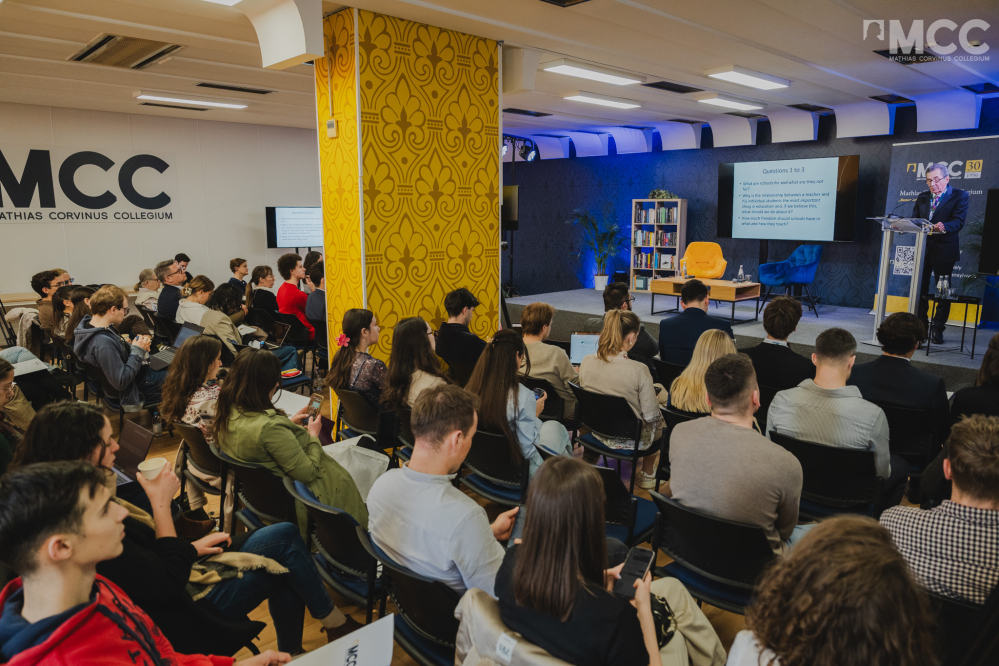
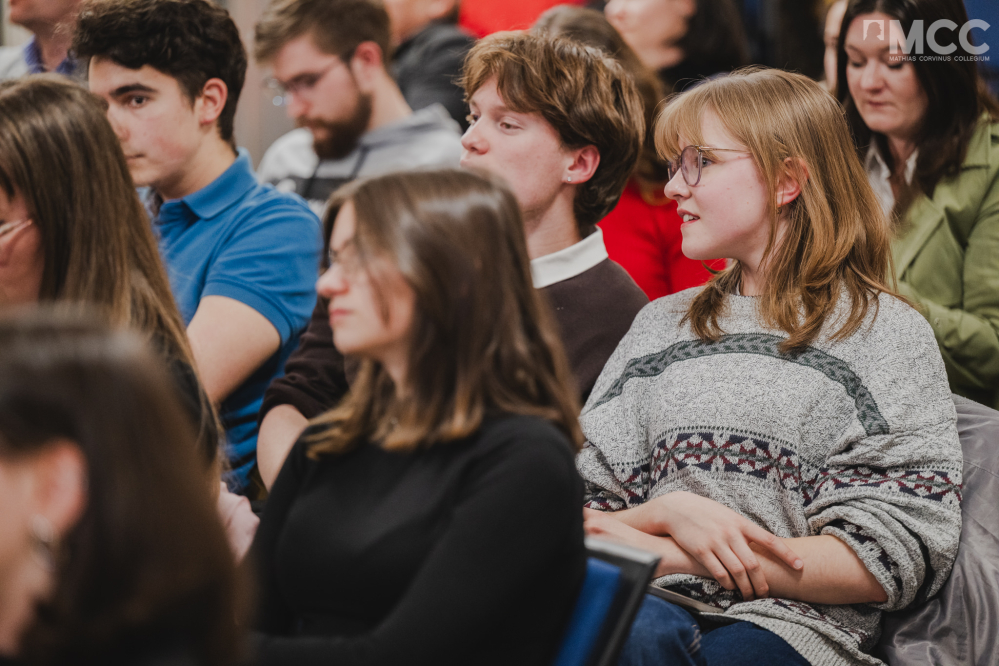
Teachers, architects, student representatives and researchers came together with a shared aim: to open a dialogue on a more thoughtful, responsible and future-oriented school system in Transylvania. The event took place on 19 March 2026 at the Kolozsvár/Cluj-Napoca centre of Mathias Corvinus Collegium (MCC).
The closing conference of MCC’s three-part series on the future of Transylvania focused on education. Following the 2023 international forum on urban development and the 2024 event on the future of the labour market, The Future of Education in Transylvania invited both local and international participants to reflect, through two keynote lectures and three panel discussions, on how student agency, school spaces and young people’s voices can shape education in the region.
Although the three panels and two lectures approached the topic from different angles, they all arrived at a shared conclusion: Transylvanian education has serious curricular foundations, committed teachers and a clear community demand for progress. At the same time, exam pressure, limited institutional incentives and structural obstacles continue to slow down meaningful change. The way forward is not to copy the Finnish or Chinese model, but to take our own traditions, communities and students seriously. MCC’s conference created a platform for precisely this kind of dialogue.
MCC Transylvanian director Botond Talpas said: “We are convinced that education is not a static system, but a constantly evolving environment shaped together by teachers, students, communities and learning spaces. This is why MCC aims to provide a platform where different local and international perspectives can meet, and where the sharing of experience and good practices can lead to new insights. We believe that talent development is not only about transmitting knowledge, but also about building communities in which young people learn to ask questions, think critically and take responsible part in shaping their own environment.”
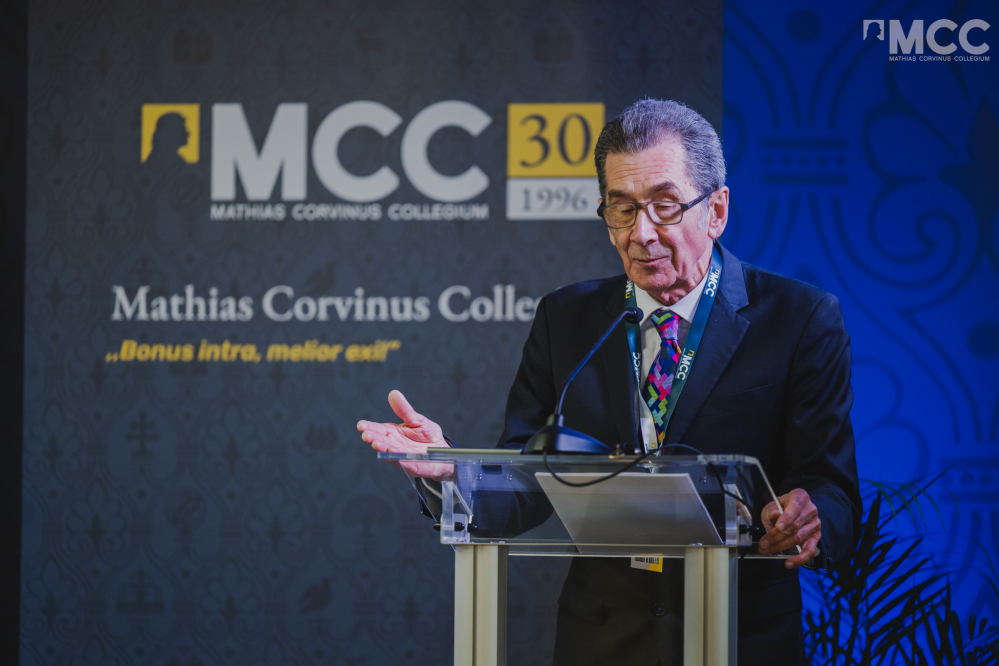
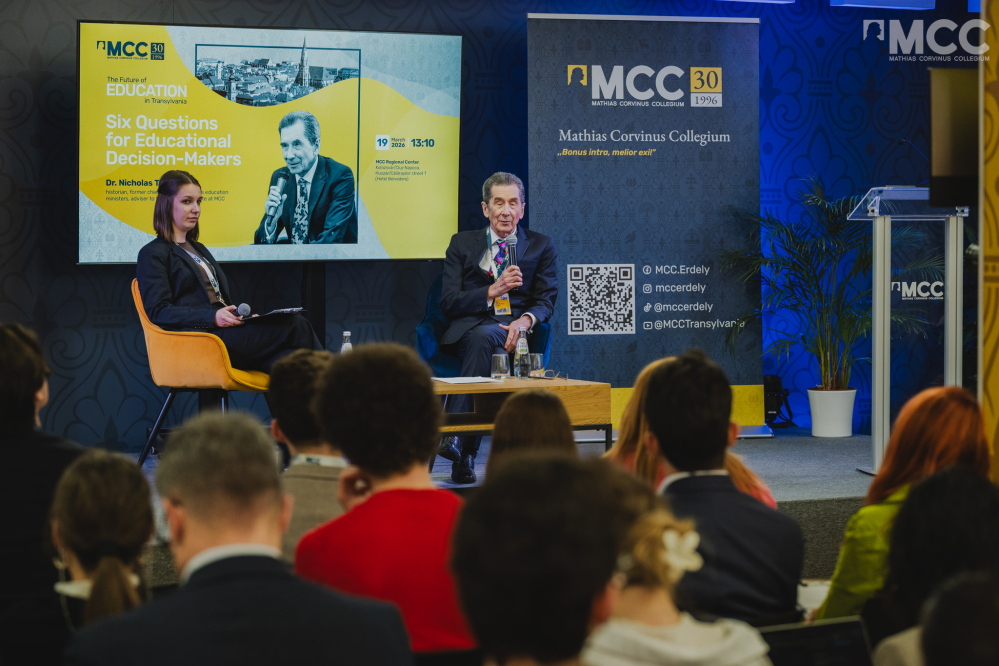
In his opening lecture, British education expert and historian Dr Nicholas Tate highlighted the central role of schools in both education and character formation. He stressed that the fundamental mission of schools must not be forgotten: the transmission of knowledge, education and formation. This mission, he argued, must be reinterpreted in a constantly changing world, while cautioning against overburdening schools with additional responsibilities at the expense of their core purpose.
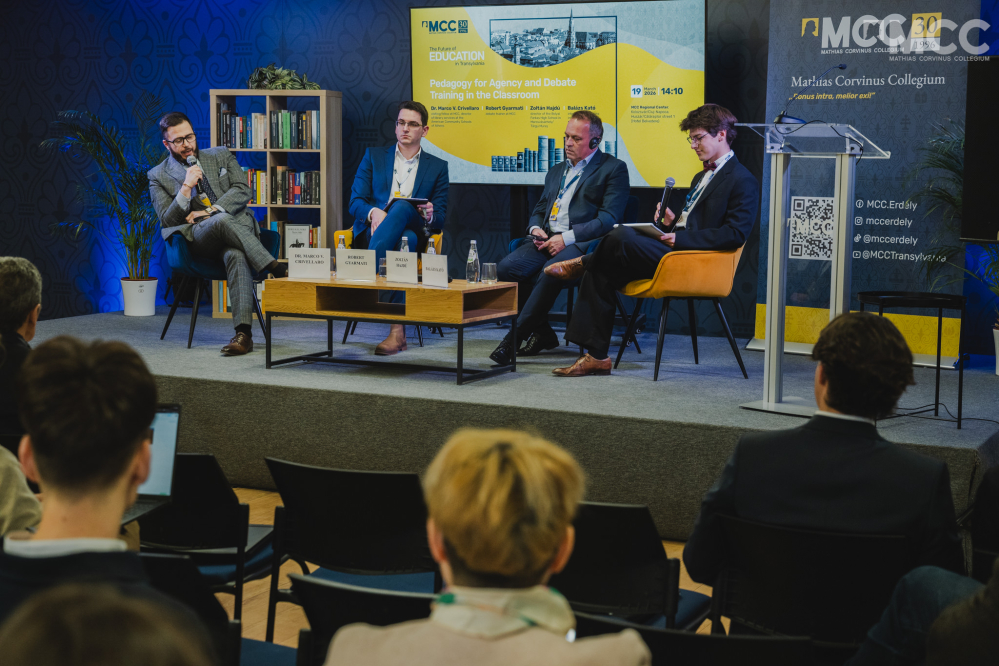
Panel I: Pedagogy for Agency and Debate Training in the Classroom
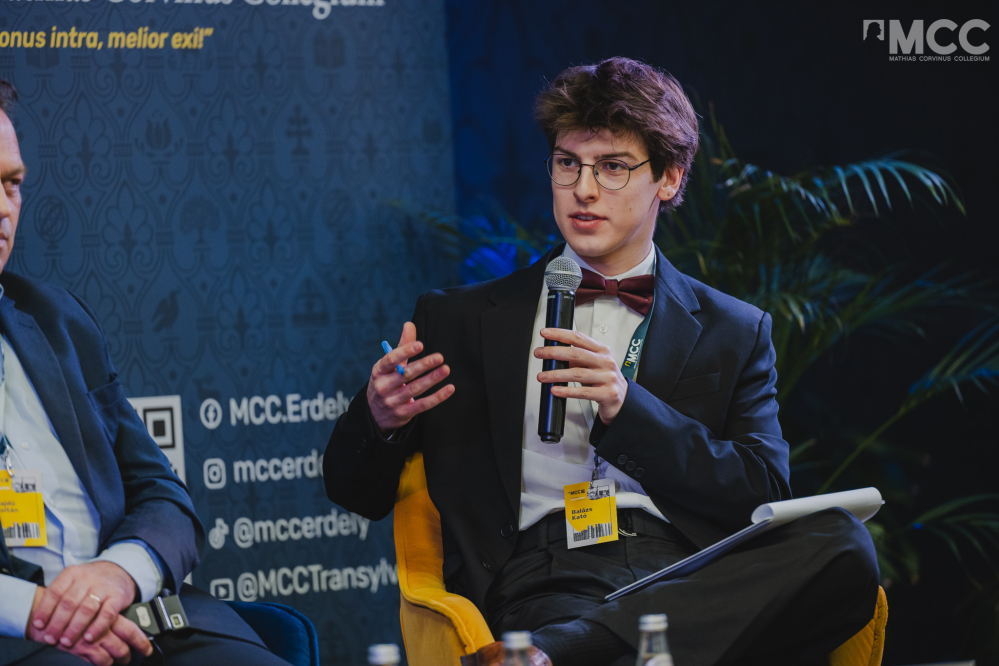
The speakers of the first panel were Dr Marco Crivellaro, Visiting Fellow at MCC, Director of Library Services at the American Community Schools of Athens; Zoltán Hajdú, director of the Bolyai Farkas High School in Marosvásárhely/Târgu Mureș and Róbert Gyarmati, debate trainer at MCC. The discussion was moderated by Balázs Kató, International Relations intern at MCC.
The panel revolved around three interconnected questions: how students can distinguish beliefs from facts in the age of information overload; what student autonomy means in everyday school life; and what debate education can offer the average student, even if they never take part in a competition.
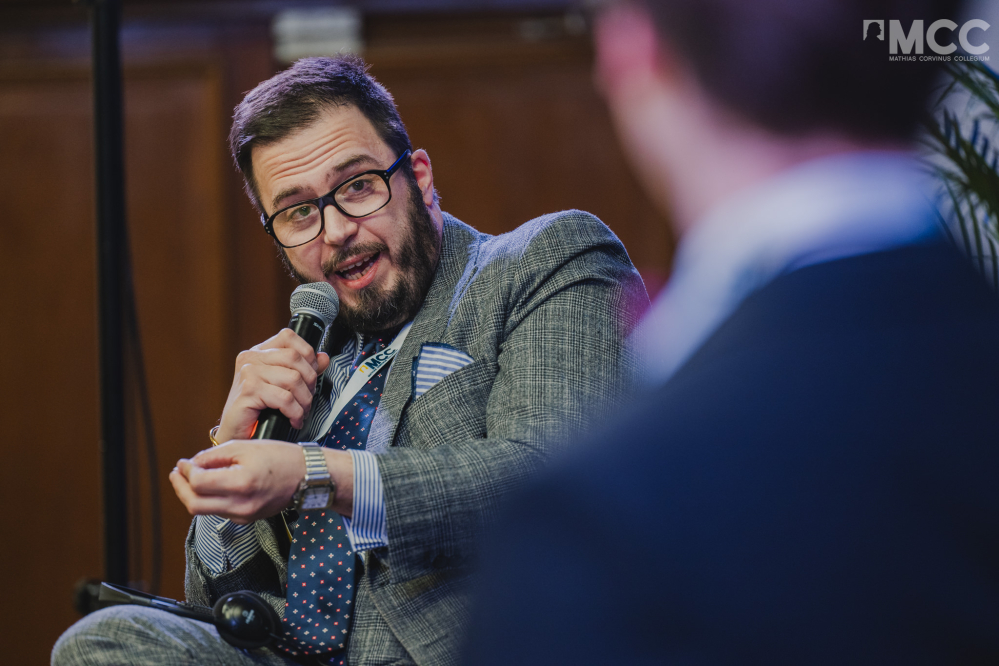
Dr. Marco Crivellaro opened with a striking paradox: people in the 21st century are more informed than any previous generation, yet perhaps less truly knowledgeable than ever before. To illustrate this, he noted that in December 2025 alone, nearly 20,000 new English-language book titles were published in the United Kingdom and North America — seven times more than a person could read in an entire lifetime — while scientific journals worldwide published more than 200,000 articles in a single month. He also pointed to a symptom of the age: the number of flat-Earth believers has never been as high as it is today, though even Augustine already knew that the Earth was spherical. He emphasised that students must learn that information always comes with an authorial perspective, and that historical context is essential for interpretation. The task of education today is no longer simply to provide data — Google can do that — but to teach students how to connect information to sources and evaluate it critically.
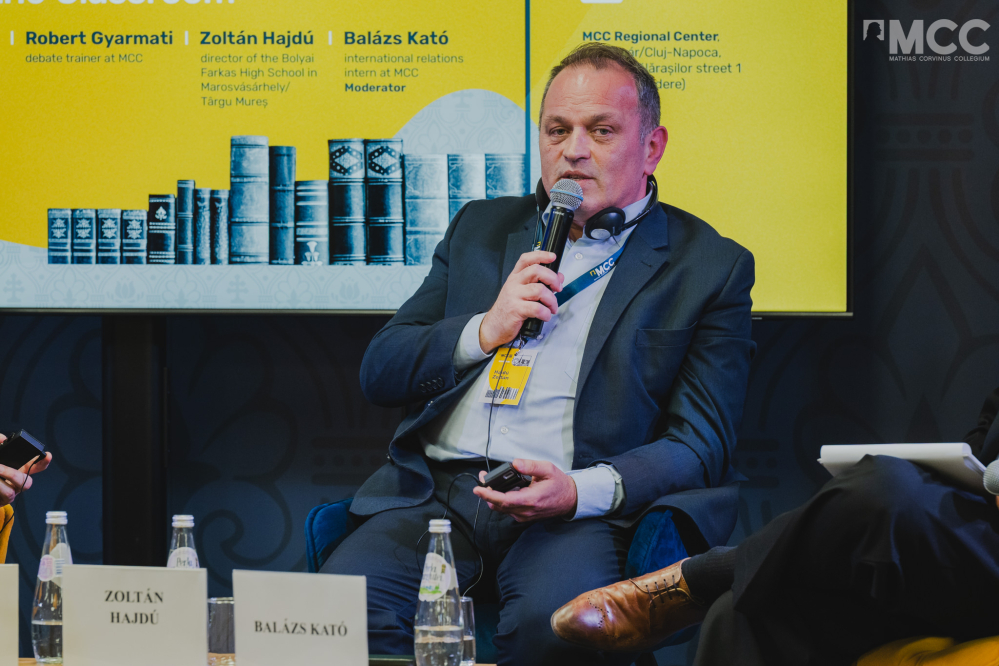
Zoltán Hajdú spoke about the strongly lexical nature of the Romanian school system: 35 years after the fall of communism, this is still largely what we regard as knowledge. He identified three mutually reinforcing obstacles: lack of time, as a class of 34 students with 34 lessons a week and compulsory grading leaves little room for genuine debate; exam-centred pressure, as both parents and students focus mainly on final exams that still measure outdated, memorisation-based knowledge; and the structural lack of teacher motivation, since teachers who lead extracurricular activities such as debate clubs currently do so using their own time and resources. Nevertheless, he ended on an optimistic note: from the 2025–2026 school year, Romanian education law provides teachers with a 30 percent flexible time frame, which they can fill with content at their own discretion.
Róbert Gyarmati spoke about the liberating effect of the British parliamentary debate format. Participants do not defend their own personal convictions, but the position assigned to them, which means that rebuttal is directed at an argument rather than at the person. This, he said, helps even more reserved students open up. He stressed that as long as debate clubs are not institutionally funded, access to debate education will remain a matter of chance, available only to students lucky enough to have a committed teacher.
Panel II: Reimagining Educational Spaces: Design and Architecture in the Classroom
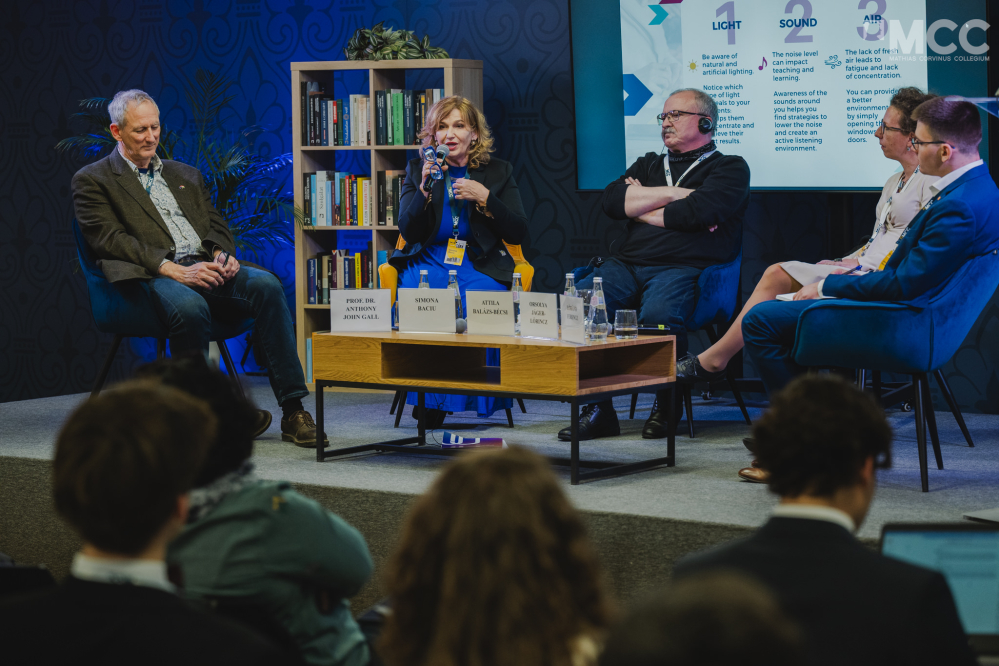
The second panel was moderated by Lóránd Ferencz, a student of MCC’s University Program. The invited speakers were Prof. Dr. Anthony John Gall, Australian University Professor, Award-winning architect, Dean of the Miklós Ybl Faculty of Architecture at Óbuda University, Simona Baciu, President and founder of the InIm Institute, founder of Transylvania College, founder of the C-EDU Education Cluster, and founding member of the Rethink Romania Association, Attila Balázs-Bécsi, Founder and Director of the Téka Cultural Foundation and Orsolya Jáger-Lőrincz, Investment Director for Construction at MCC.
The panel explored how the physical qualities of school spaces — light, sound, air quality and layout — affect students’ performance and well-being; what can be learned from moving beyond the communist architectural legacy; and how a renovation project can become a force for community building.
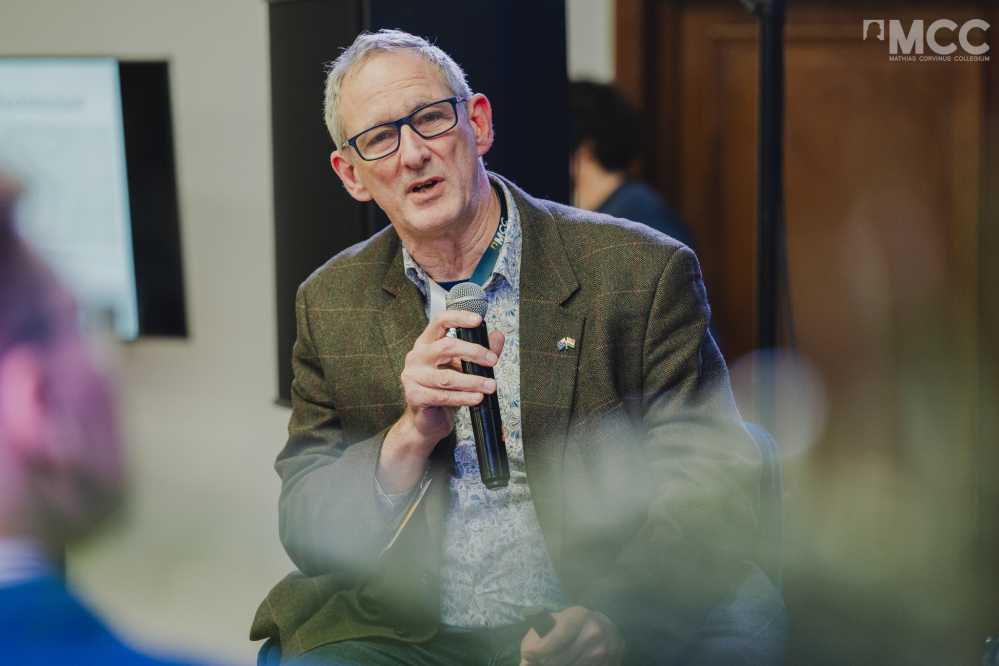
Dr. Anthony Gall offered a historical overview, showing that school architecture has always changed more slowly than pedagogy. At the turn of the 19th and 20th centuries, the region saw an exceptional wave of school construction, resulting in carefully designed buildings decorated with artistic elements. This was later replaced by the utilitarian concrete architecture of socialism. According to Gall, the solution does not necessarily lie in new construction: through his students’ projects, he showed that liveable community spaces can also be created using local resources. The most important international trend, he argued, is the transformation of schools into community centres — spaces that combine sports, workshop and cultural functions and are open to the wider public.
Simona Baciu described the built environment with Maria Montessori’s phrase: the “third teacher” — a teacher we never see, yet whose influence we cannot escape. In her contribution, she highlighted three key physical factors: natural light, noting that January is the month with the highest level of school aggression partly because of the lack of light; acoustics; and air quality. She oversaw the construction of Romania’s first green educational building, and her experience shows that both teachers and students there fall ill less often. At the audience’s request, she also offered practical suggestions: where the building itself cannot be changed, rearranging desks, making use of wall surfaces or even bringing cushions into the classroom can lead to significant improvement.
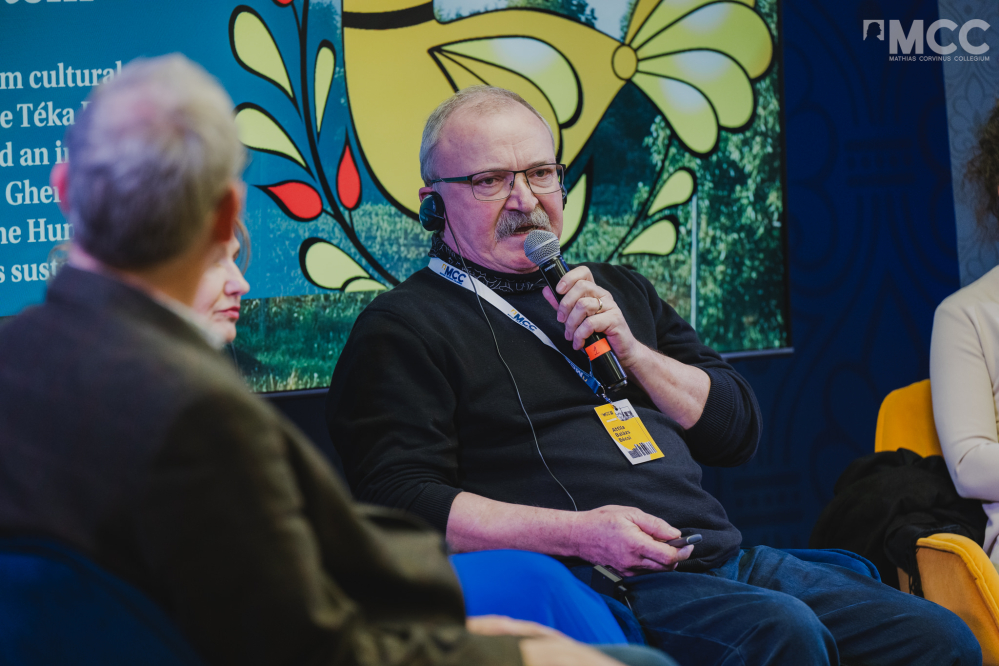
Attila Balázs-Bécsi presented the example of the Téka Foundation’s school construction project in Szamosújvár/Gherla, showing how such an initiative can become a community project when parents, students and local residents are all involved. Today, the school functions not only as an educational institution, but also as a natural meeting place for the local community. He emphasised that particular attention was paid to creating a high-quality space that meets the needs of both teachers and students, and that can attract Hungarian students to the institution.
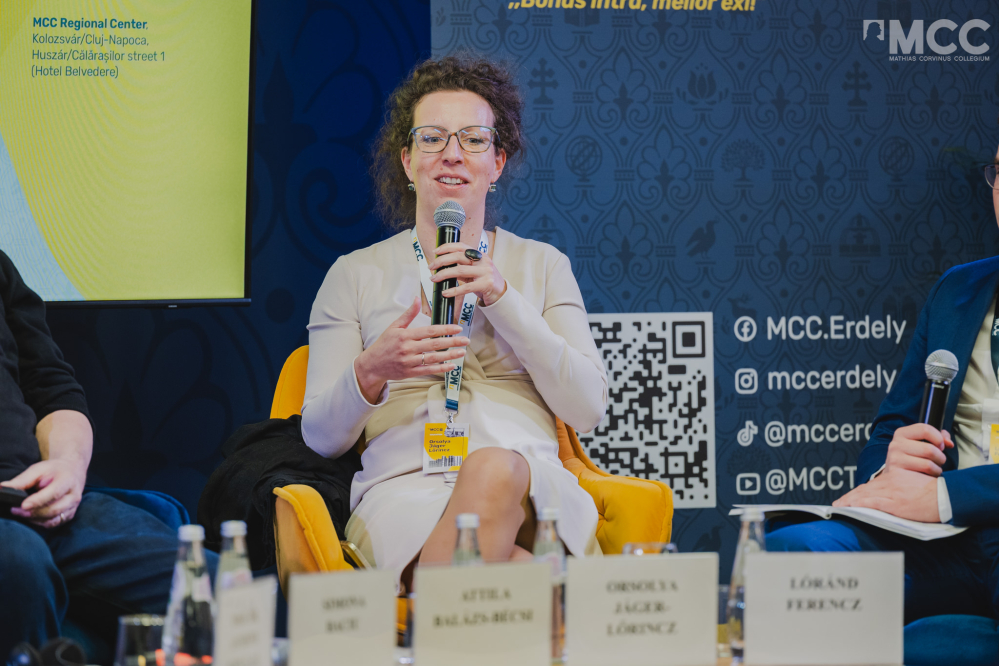
Orsolya Jáger-Lőrincz summarised MCC’s approach: the institution deliberately chooses historically valuable buildings that have stood empty for decades, because “a high-quality physical environment has a meaningful impact on how students think.” The real magic, she stressed, begins when the community moves in and shapes the space in its own image.
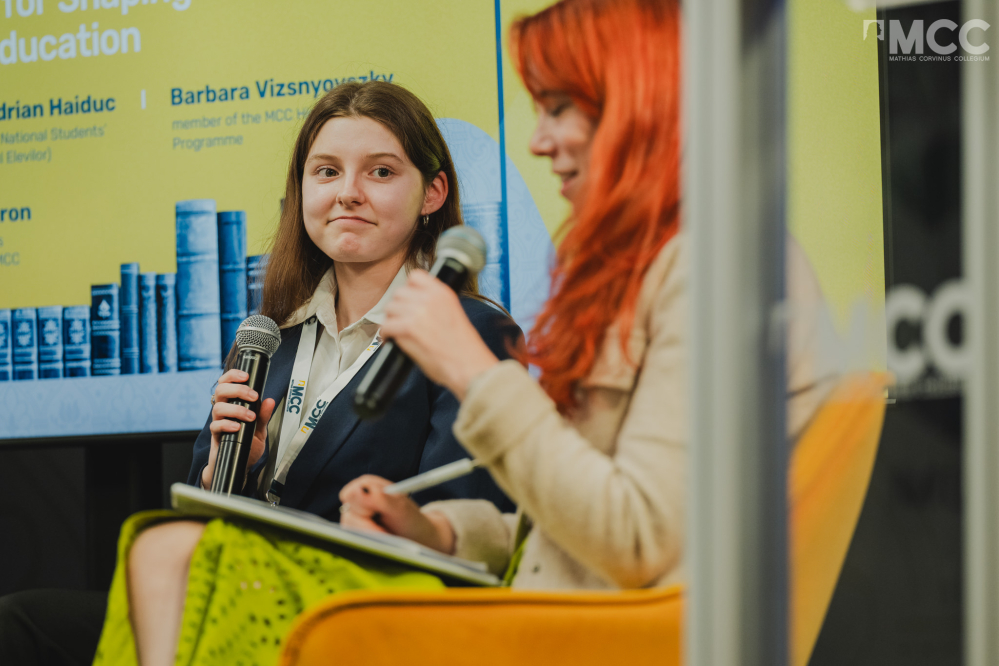
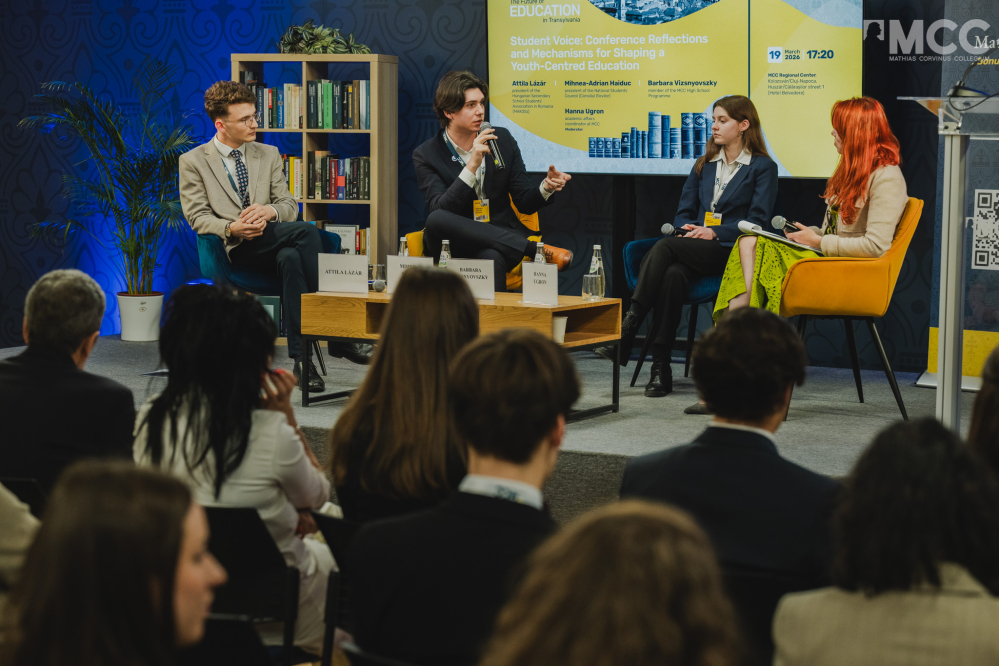
Panel III: Student Voice: Conference Reflections and Mechanisms for Shaping a Youth-Centred Education
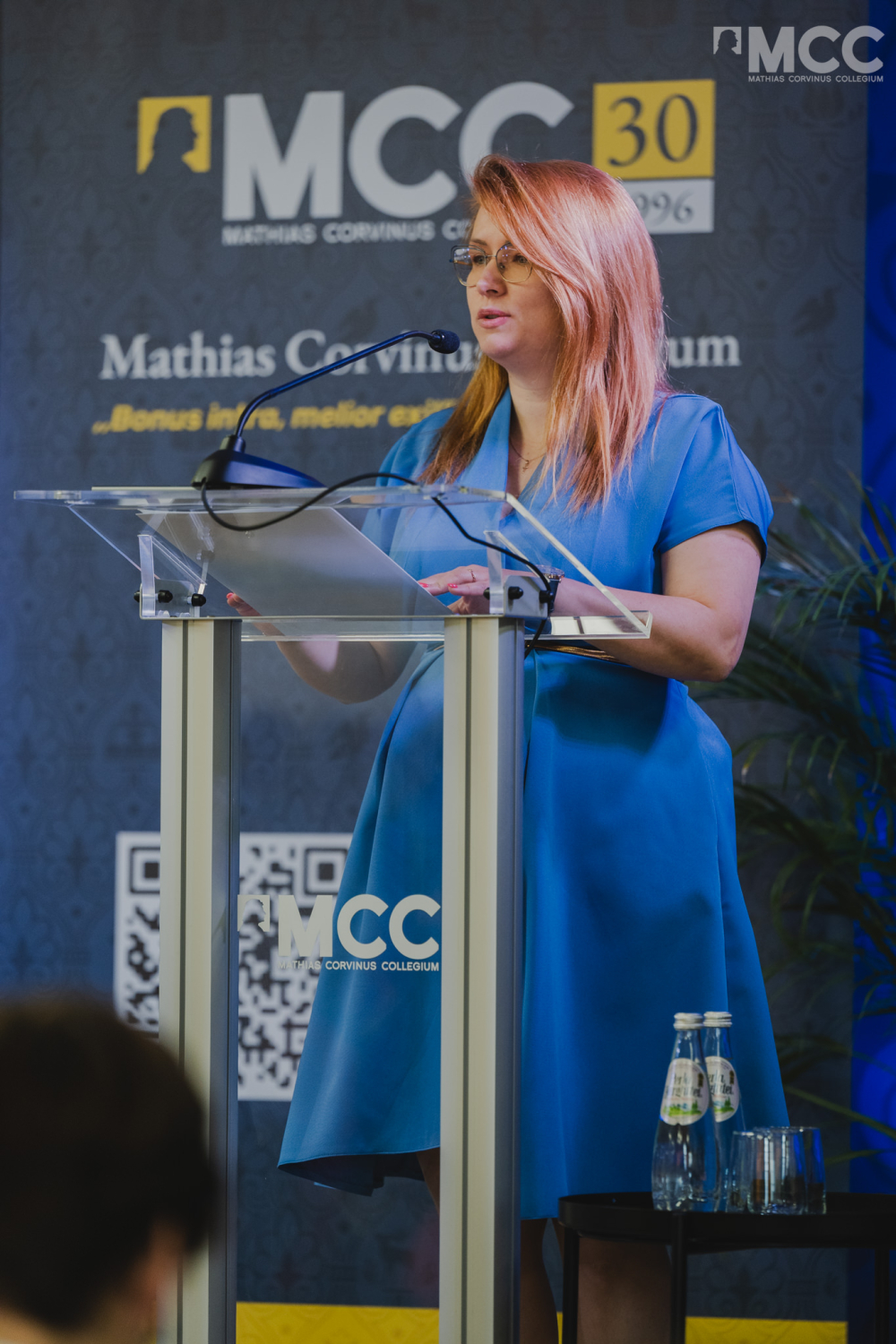
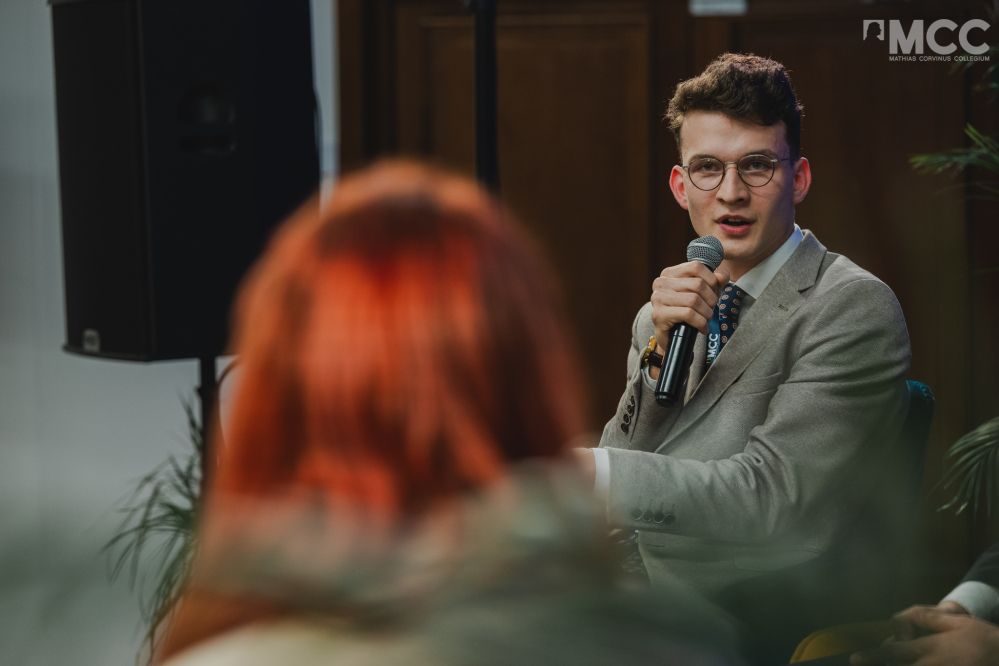
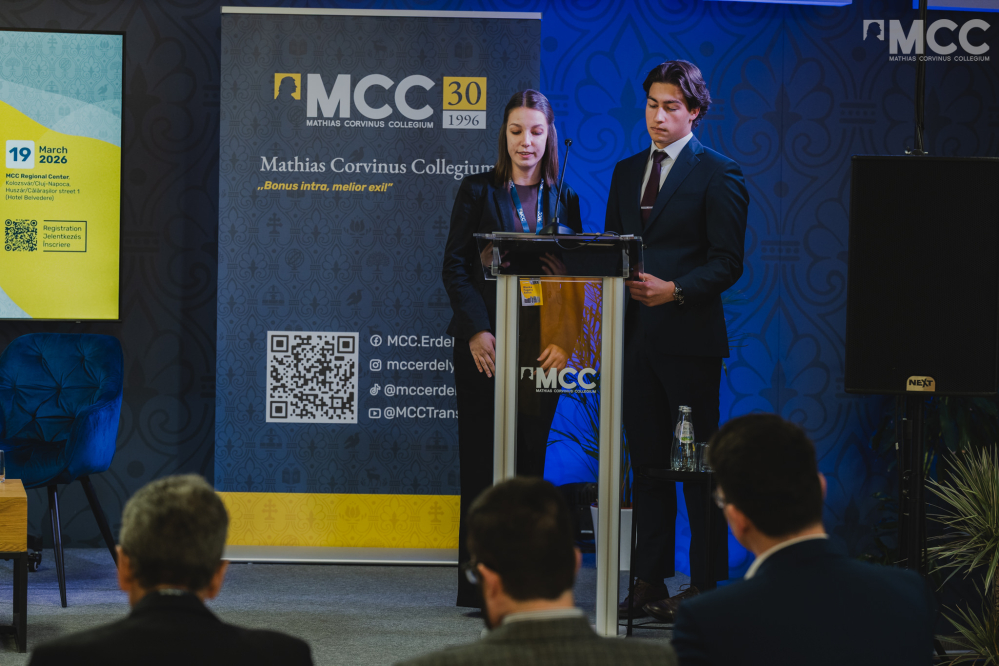
The speakers of the third panel were Mihnea-Adrian Haiduc, president of the National Students’ Council (Consiliul Elevilor); Attila Lázár, president of the Union of Hungarian High School Students from Romania; and Barbara Vizsnyovszky, member of the MCC High School Programme. The discussion was moderated by Hanna Ugron, MCC’s Academic Affairs coordinator.
The panel addressed one overarching question: what do those at the centre of the system think about it? Through their own experiences, the three high school students spoke about the lack of reflective thinking, the limits of student representation, the problems of school spaces — and what they would change starting tomorrow.
Mihnea-Adrian Haiduc confirmed that the topics discussed in the earlier panels accurately reflect students’ everyday reality. As a concrete example, he mentioned that in many schools, equipment purchased with EU funds remains unused because it was designed in sizes suitable for kindergarten children. He outlined the hierarchical structure of the National Students’ Council, from class representatives through county councils to the national body but admitted that fewer and fewer students are willing to take an active role in representation. Maintaining motivation is a major challenge. He also gave a telling example of the limits of advocacy: student representatives attended four or five rounds of talks at the ministry to oppose scholarship cuts, without success. At the same time, he considered it a success that the new curriculum draft published in January this year was withdrawn following joint pressure from civil society and student councils.
Summarising MAKOSZ’s experience, Attila Lázár stressed that “nine times out of ten, nothing changes” after consultations with decision-makers. He highlighted a specific obstacle faced by Hungarian students in Transylvania: legal documents are available almost exclusively in Romanian, while Romanian is still taught to Hungarian students as if it were their mother tongue. “In 2026, this is one of the greatest obstacles to effective advocacy,” he said.
Barbara Vizsnyovszky summed up the conference’s message in a single word: openness — openness to one another’s perspectives, to differently arranged classrooms and to different forms of pedagogy. In response to the closing question about the one thing they would change from tomorrow, Vizsnyovszky named the teacher–student relationship, Haiduc the overall mentality, and Lázár the examination system.
Closing Lecture: Preserving the Foundations
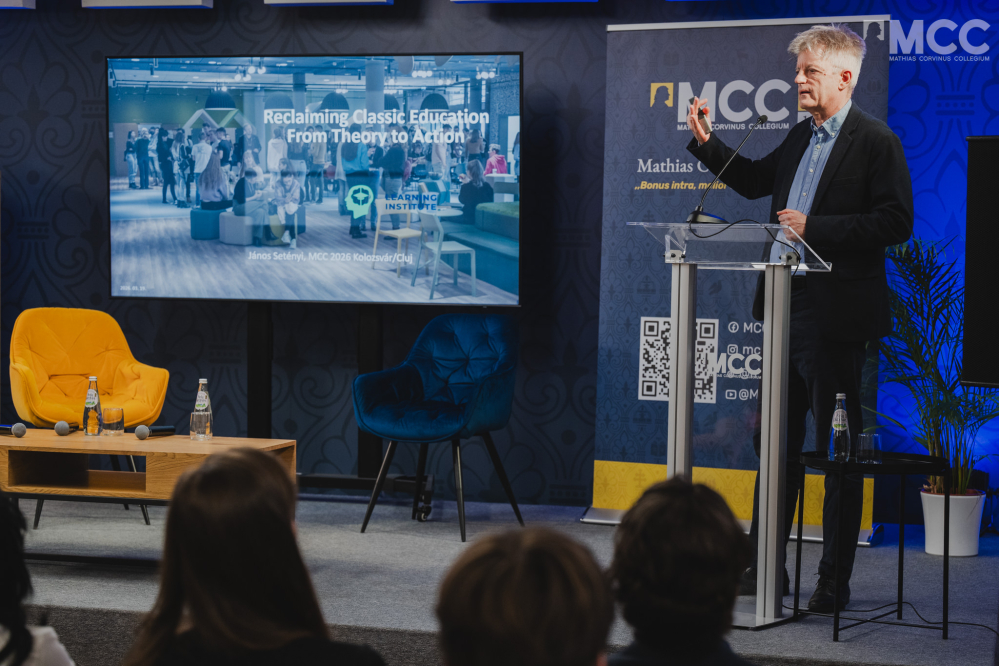
The conference was closed by Dr János Setényi, Director of MCC’s Learning Institute. The central thesis of his lecture was that the crisis of Western education systems is not caused by a lack of innovation, but by the abandonment of the foundations. Central and Eastern Europe, he argued, could avoid this mistake by developing and innovating while also strengthening the basics.
Offering an international perspective, he pointed out that while the content of education in Europe has become the subject of social battles, China continues to develop science education and classical training and now ranks first in the Nature publication rankings. “This is not an ideological issue. It is a question of the West’s competitiveness,” he summarised. While acknowledging the need for critical thinking skills, he used a metaphor to make his point: “You cannot cook goulash with air.” Competences only become meaningful tools when they are built on actual knowledge. The self-discipline developed through homework and required reading, as well as the thinking skills shaped by mathematics, ultimately lead to long-term problem-solving ability.
In closing, he encouraged the audience: “Be open to the outside world, filter the new ideas entering schools, and preserve the foundations: know poems, songs and classics by heart.”